
Circle and Tether step in to freeze hacker wallet after massive Bitget crypto heist
In a swift response to a significant crypto heist, Circle and Tether have taken decisive action to freeze a hacker's wallet, but the implications extend far beyond this incident. As the dust settles, understanding the ramifications for the broader crypto ecosystem and Ethereum in particular becomes crucial for investors.
What Happened in the Bitget Hack?
Recently, a major cryptocurrency exchange called Bitget fell victim to a significant hacking incident, resulting in the theft of approximately $351.6 million worth of digital assets. The attackers exploited vulnerabilities in Bitget’s backend systems, which allowed them to manipulate transaction data and unauthorizedly transfer funds out of the exchange. This type of hacking is not uncommon in the crypto world, where security breaches can lead to massive financial losses for exchanges and their users alike.
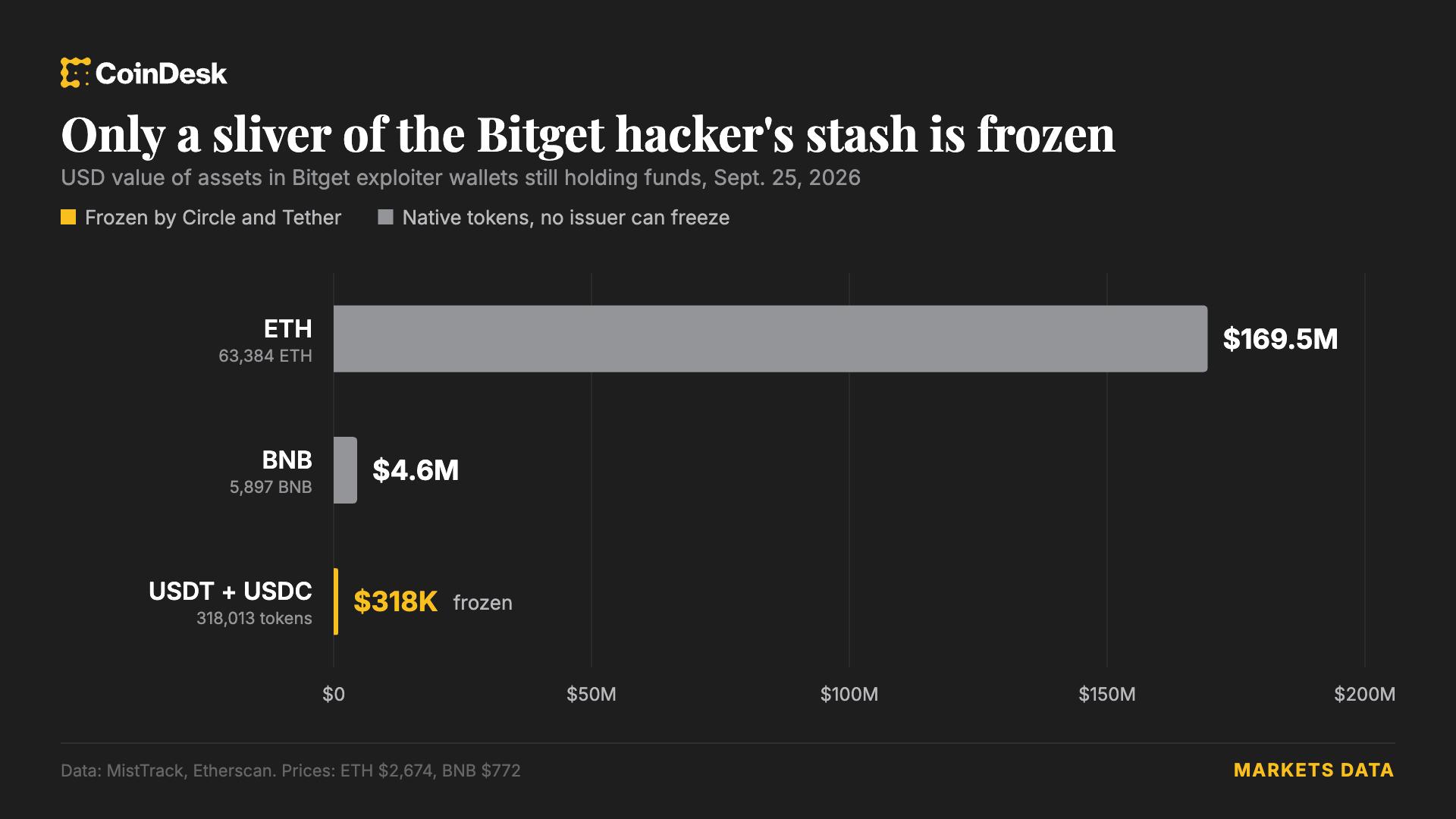
In the aftermath of the hack, two major players in the cryptocurrency space, Circle and Tether, took immediate action by freezing a wallet associated with the hackers. This wallet contained around $318,000 in stablecoins, which are digital currencies pegged to traditional currencies like the US dollar. By freezing the wallet, Circle and Tether aimed to prevent the hackers from accessing or utilizing the stolen funds, showcasing a proactive approach to mitigating the impact of such cybercrimes.
Understanding Stablecoins and Their Role
Stablecoins are a type of cryptocurrency designed to maintain a stable value by being pegged to a reserve asset, typically a fiat currency like the US dollar. This peg allows stablecoins to provide the benefits of digital currencies—such as fast transactions and lower fees—while minimizing the volatility associated with other cryptocurrencies like Bitcoin or Ethereum.
In this case, the hackers had stolen stablecoins, specifically USDT (Tether) and USDC (Circle), which are among the most widely used stablecoins in the market. By freezing the wallet holding these stablecoins, Circle and Tether were able to limit the hackers' ability to convert these assets into other cryptocurrencies or fiat currency, thereby protecting the integrity of their respective ecosystems.
The Broader Implications of the Freeze
While freezing the hacker's wallet was a necessary step, it only addresses a fraction of the stolen funds. Most of the assets taken in the Bitget hack are in the form of Ether (ETH), which cannot be frozen by any issuer due to the decentralized nature of the Ethereum blockchain. This limitation raises concerns about the effectiveness of centralized actions in a decentralized environment, where hackers can easily move assets across various platforms and wallets.